Why Are Ants Crossing Albuquerque Kitchen Counters?
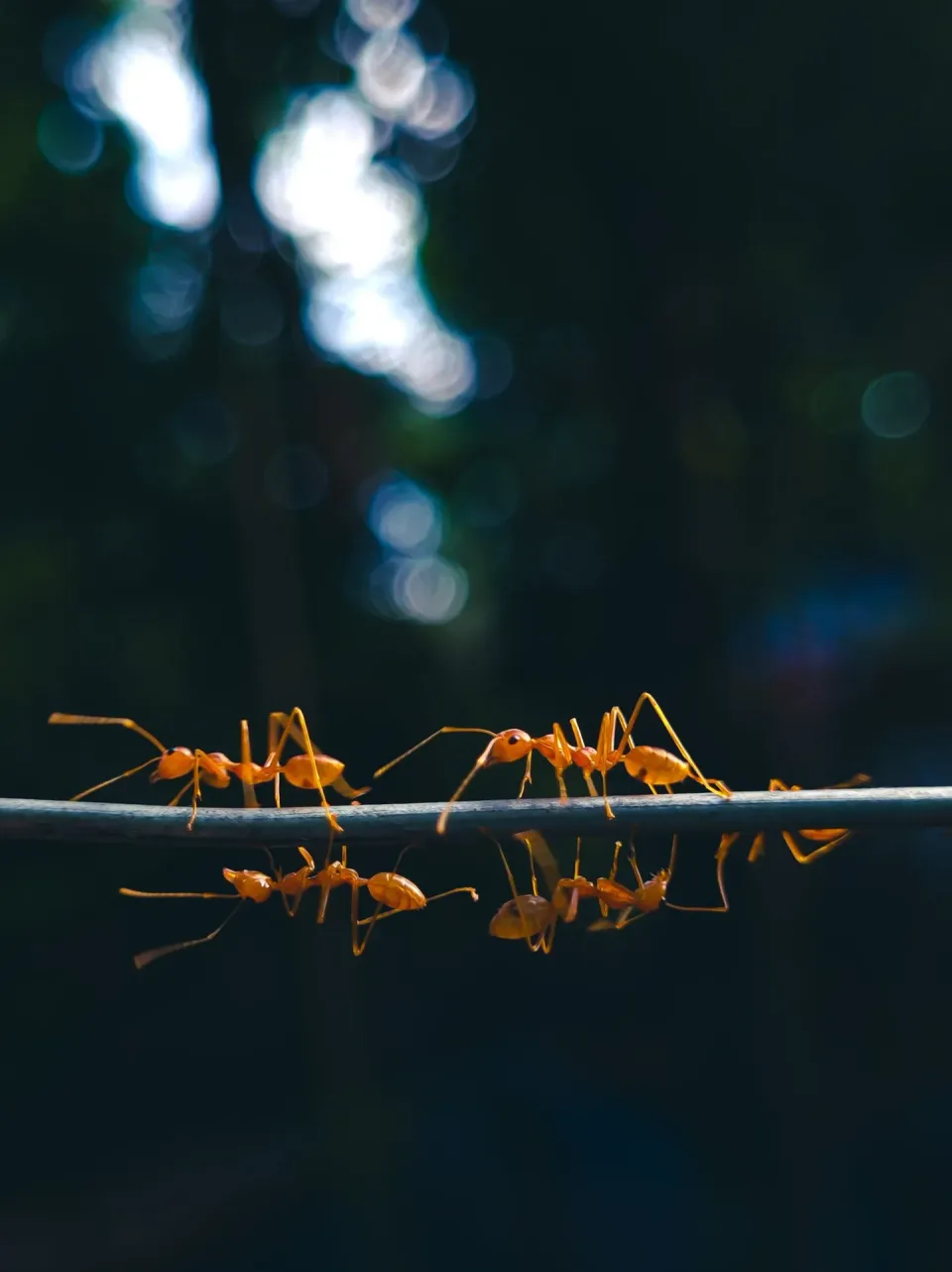
Ants trail across kitchen counters when they find food or water and leave a route for other workers to follow. Wipe the trail, store food tightly, and check nearby edges for the point where ants enter. That first cleanup helps, but it may not remove the source.
A customer hoping to get someone to the home for ants usually wants the kitchen usable again without guessing at sprays. Construction adds another concern: if work is underway, delays can hold up a crew and disrupt the schedule.
Tell the technician what work is planned and where ants have appeared. Near Albuquerque Old Town, older buildings and active kitchens can make it especially useful to identify the trail’s route before choosing treatment.
We inspect and explain the next step in plain language. Check the trail, food storage, and access before booking.
What Does a Kitchen Ant Trail Mean?
A line of ants usually signals that workers have found a reliable food or water source and are following a scent route. The trail can lead from a counter to a sink, cabinet seam, wall opening, or an outdoor entry point; killing the visible ants alone may leave the route active. Start by putting away food, cleaning crumbs and sticky residue, and checking under appliances and around plumbing.
Albuquerque International Sunport is a useful local reference for a city where homes and businesses keep busy kitchens in daily use; the practical point is to inspect food-storage and service areas, not just the counter where ants show up. During drought, wildlife and pest activity can shift as resources change, so a new trail may appear even after a quiet stretch. Note where ants enter before cleaning the route.
Do Monsoon Downpours Push Ants Indoors?
They can. Heavy downpours may drive ants and roaches indoors, and briefly higher monsoon humidity can change conditions around entry points. If ants appear after a storm, inspect door thresholds, window edges, and utility penetrations rather than assuming the nest is in the kitchen. Dry wet surfaces and correct leaks; removing moisture makes the area less inviting.
We have seen homeowners spray the visible line and then wonder why ants return from the same cabinet gap. That failure makes sense: contact treatment may kill ants in view without addressing their access or the food source.
Near the Georgia O’Keeffe Museum, visitors see New Mexico art; at home, the useful work is less picturesque trace the route and record where it disappears. Our inspection identifies the pest and the route before we recommend a treatment.
When Is DIY Enough for Ants?
If a few ants appear once and stop after you remove food residue and seal stored ingredients, watch the area for renewed activity. Keep counters dry, clean spills promptly, and avoid applying household products over a trail before you know where it leads. Mixing or layering products can make later treatment harder to plan.
Call a professional if trails keep returning, spread to several rooms, or emerge from a wall or cabinet void you cannot inspect safely. New Mexico Pest Solutions uses pest identification and inspection to match the response to the activity, rather than treating every kitchen the same way.
For more on the crew’s approach, read about our New Mexico pest control team. If you are also tracking another indoor pest, our guide to mice scratching inside walls explains how observations can help identify a problem.
Why Can Albuquerque’s Dry Weather Matter?
Hot, dry summers increase indoor pest-seeking, so a kitchen with accessible water or food may become a dependable destination. New Mexico’s high-desert conditions also bring strong sun and low humidity; keep food sealed and repair drips instead of relying on a surface spray to solve a resource problem. These habits reduce what attracts ants, though they do not identify a hidden nest.
Annual rainfall differs by elevation and region, so a single statewide assumption will not explain every home’s ant activity. Around Silver City Downtown Historic District, for example, local conditions are not a substitute for checking a particular property’s entry points and water sources.
Our field process starts at the trail, follows it toward the access point, and explains which conditions should be corrected before treatment. If you need focused help, see our Ant Extermination service.
Which Ant Control Option Fits a Kitchen Trail?
Choose based on whether ants are isolated or keep returning, and whether the source is visible. The same treatment is not right for every trail.
New Mexico’s high-desert climate brings strong sun and low humidity, but indoor kitchens still offer food and water ants can use. Hot, dry summers can increase indoor pest-seeking, so correcting spills and accessible food matters alongside any treatment. Chaco Culture National Historical Park is far from an Albuquerque kitchen, but it is a reminder that conditions vary across the state; use the inspection findings at your own property to guide the choice.
| Option | Best for | Key detail |
|---|---|---|
| Inspection and identification | Recurring or unclear trails | Locate access and likely attractants before treatment |
| Bait-based control | Ants actively following a route | Bait stations support ongoing feeding; placement matters |
| Interior spot treatment | Activity limited to a room or gap | Targeted rooms rather than a broad application |
| Exterior barrier treatment | Identified outdoor access points | Perimeter focus; treatment choice follows site inspection |
How Do You Prepare for Ant Treatment?
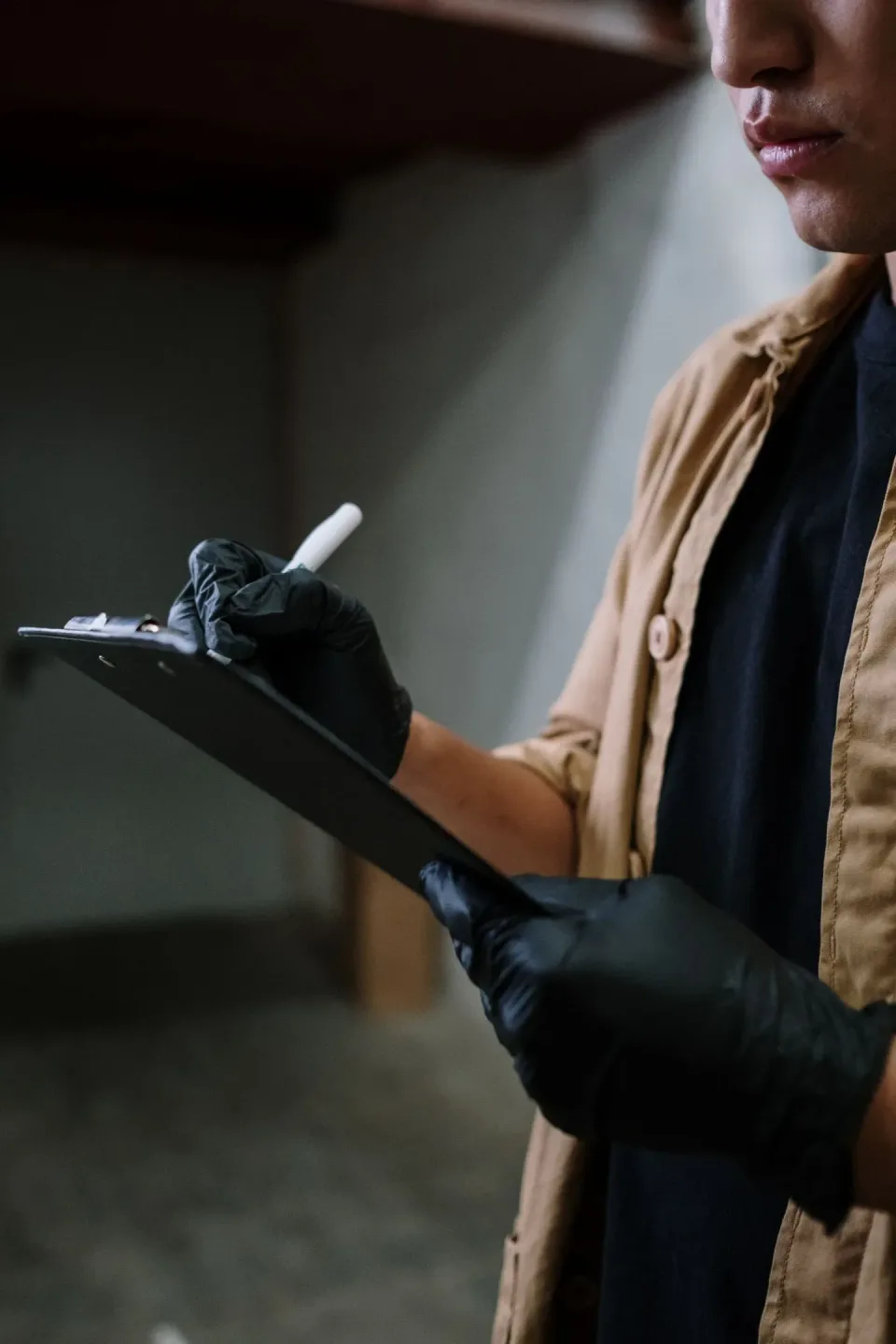
Start with the trail, not a guess about where the nest sits. Give the technician a clear view of activity and explain any access limits.
-
Record activity: Note when ants appear and where the trail begins and ends; keep a photo if practical.
-
Clear the counter: Remove food and dishes from the treatment area, and wipe up crumbs without applying another pesticide.
-
Secure pets: Keep pets away from the application area and follow the technician’s directions.
-
Arrange access: Share gate or lockbox instructions and identify kitchen, garage, or utility areas the technician should inspect.
-
Confirm the plan: Ask which locations will be treated and follow the product-label re-entry directions provided for the application.
-
Watch for return activity: Track whether ants reappear and share that information when discussing a follow-up.
Season matters across New Mexico: northern mountain elevations receive substantial winter snow, while southern deserts can have milder winters with occasional freezes. At Organ Mountains-Desert Peaks National Monument, the setting differs from an Albuquerque home, so tell the technician about your property’s actual conditions. Clear communication helps avoid missed access and unnecessary disruption.
Get Help Tracing Albuquerque Kitchen Ants
A repeating counter trail calls for more than wiping up the ants: find what is attracting them and where they enter. If they return after food and moisture are addressed, an inspection can clarify the next step.
Monsoon storms typically arrive from July through September, so notice whether new trails follow a period of unsettled weather. At Bandelier National Monument, rain changes the setting; at home, check whether activity has shifted around a doorway, cabinet, or plumbing line. The Rio Grande Gorge Bridge offers another reminder of New Mexico’s varied terrain, while treatment decisions should rest on your kitchen’s inspection findings.
Contact NewMexico Pest Solutions to discuss the trail and arrange an inspection. We’ll explain what we find and the recommended approach. Start with our Ant Extermination service or contact our team with the areas where you’ve seen activity.