Can Catchmaster Boards Help Identify Mice in Walls?
A catch or droppings can add evidence; no catch does not rule mice out.
Scratching after dark is a useful clue, not a diagnosis. We hear from people who want someone to come spray for bed bugs and everything; that request often reflects uncertainty about which pest is present, and broad treatment without identification can waste money.
A separate request to have a stinging pest taken out right away signals a different problem that needs its own assessment. Around Albuquerque Old Town, as elsewhere in New Mexico, our crew starts with the pest and the evidence rather than assuming every noise calls for the same treatment. Keep a dated note of where and when you hear scratching.
What can a glue board tell you about wall scratching?
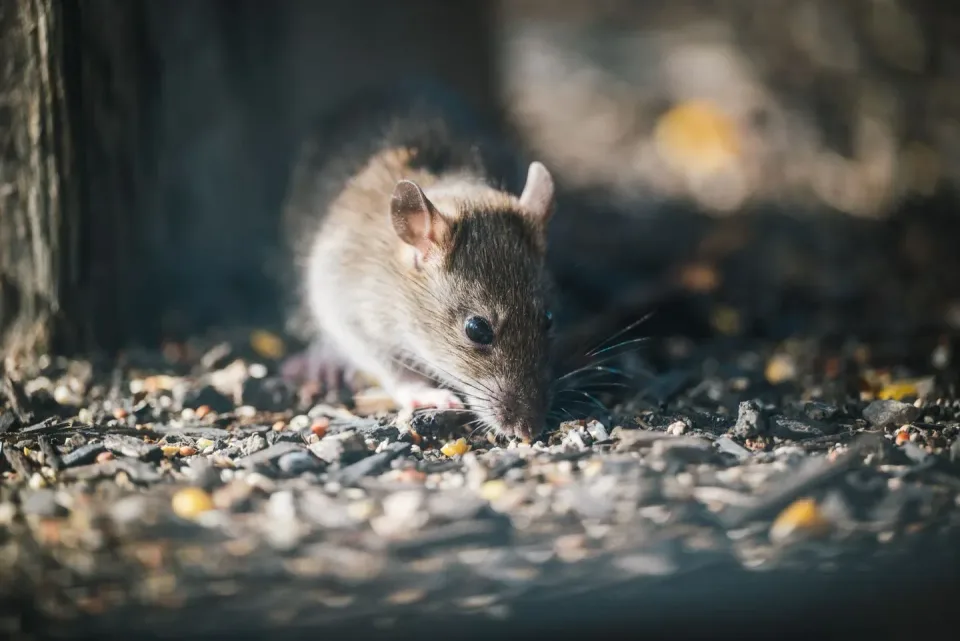
A board can confirm a mouse’s presence if it catches one, and its position may help reveal a route along a baseboard or behind an appliance. It does not show where a mouse entered the wall, how many are present, or whether the noise is definitely a mouse. Check the board and nearby surfaces for droppings, gnaw marks, or a repeated travel path, and record the date and location.
A catch is evidence, not the whole inspection. Our crew treats pest identification as a step before choosing control: the same sound can have more than one cause, and a board placed in the wrong spot may provide little useful information. The Albuquerque International Sunport is a familiar local reference, but the practical point for homeowners across the region is to inspect the specific room and wall where activity occurs rather than guess from a sound alone.
Where should you place a Catchmaster board?
Set a board flat against a wall where you have heard activity, with its long edge aligned with the baseboard. Mice often follow edges rather than cross open floor, so a board in the middle of a room may miss the route. Keep it out of reach of children and pets, away from water, and where you can inspect it without moving heavy furniture.
Do not put a board inside a wall cavity or open a wall just to place one. Note the sound’s time and location, then compare that record with any evidence on the board.
At homes near Isotopes Park or elsewhere in the metro area, small, careful checks can help distinguish a recurring route from a one-off noise. If the board remains empty, reassess placement and continue looking for other signs instead of treating that result as proof the wall is clear.
When should you stop DIY monitoring and call a pro?
A homeowner can try a safely placed board and keep a simple activity log. Call for an inspection if scratching continues, several rooms show signs, or you find droppings and damaged materials but cannot locate an entry point. Glue boards can catch mice, but they do not close gaps or establish the full extent of activity; relying on them alone can leave the underlying problem untouched.
In our field work, one common missed step is checking the building exterior as well as the room where noises occur. Freeze-thaw cycles can open gaps around foundations, giving rodents a possible route into a structure.
We inspect accessible evidence and likely entry areas, then explain whether exclusion or another control step fits what we find. A rodent control inspection is a practical next step when the sound keeps returning.
Why can weather and access change the inspection?
Flash flooding can affect access to low-lying properties, so a visit or exterior check may need to wait until the area is safely reachable. Avoid walking through standing water to inspect a suspected entry point; record the location from a safe place and share it with the technician.
The Albuquerque International Sunport and Bandelier National Monument are distinct landmarks, but they also remind us how widely New Mexico properties and travel conditions vary. For a home near Cerrillos Road or another part of the state, describe the building, affected rooms, and any exterior access issue when arranging a visit. We use those details to plan a focused inspection rather than treating every report of scratching as the same job.
Glue Boards Offer Clues, Not Wall Access
Choose a monitoring or control option based on the evidence you have and whether the goal is identification, removal, or prevention. Annual precipitation varies considerably by elevation and region, so outdoor conditions and access can differ between properties; a board indoors still needs regular checking.
Drought conditions can shift wildlife and pest activity, which is another reason to assess current signs rather than rely on an old assumption. Georgia O’Keeffe Museum is a recognizable Santa Fe reference point, but homes across that wider area still need property-specific inspection.
| Option | Best for | Key detail |
|---|---|---|
| Glue monitoring board | Checking a suspected indoor route | Place along a wall; it cannot inspect inside a cavity. |
| Inspection and identification | Persistent scratching or uncertain signs | Compare sound location with droppings and entry evidence. |
| Rodent exclusion | Closing confirmed access points | Check and address gaps measuring 1/8 inch or larger. |
| Tamper-resistant bait station | A professional control plan | A 12-by-12-inch station requires suitable placement and monitoring. |
Chaco Culture National Historical Park and Aztec Ruins National Monument are different destinations, but the broader lesson is that conditions and homes vary; match the plan to the property.
How Should You Check for Mice After Scratching?
If scratching wakes you at night, start by noting the room and time instead of opening the wall. A Catchmaster board can help check an accessible route while you gather evidence.
-
Record the sound: Write down the room, wall, and time you hear activity so the pattern is useful during inspection.
-
Choose a safe spot: Place the board flat against a baseboard near the suspected route, where children and pets cannot reach it.
-
Check for evidence: Inspect the board and nearby surfaces for a catch, droppings, or gnaw marks; do not assume an empty board clears the wall.
-
Share access details: Tell the technician which rooms are affected and provide gate or lockbox instructions when arranging a visit.
-
Ask about seasonal timing: Monsoon humidity briefly rises across much of the state, so report whether activity changes during that period.
-
Consider daily temperature swings: Wide day-to-night temperature changes can affect pest movement; compare your notes across several evenings.
Northern mountain elevations receive substantial winter snow, which may affect travel and access. Ask what areas need to be accessible and what the inspection will cover.
Get a Clear Answer About Wall Mice
A Catchmaster glue board can help confirm mouse activity along an accessible indoor route, but it cannot reveal what is happening inside a wall or seal an entry point. Take notes, check the board safely, and seek an inspection if scratching continues or other signs appear.
New Mexico’s high-desert climate brings strong sun and low humidity, while hot, dry summers can encourage pests to seek indoor shelter; localized hail and windstorms may also damage screens or rooflines. Gila Cliff Dwellings National Monument and Valles Caldera National Preserve are reminders of the state’s varied settings, so we assess each property on its own evidence. For a calm next step, contact NewMexico Pest Solutions about a Rodent Control inspection and tell us where you hear the noise.