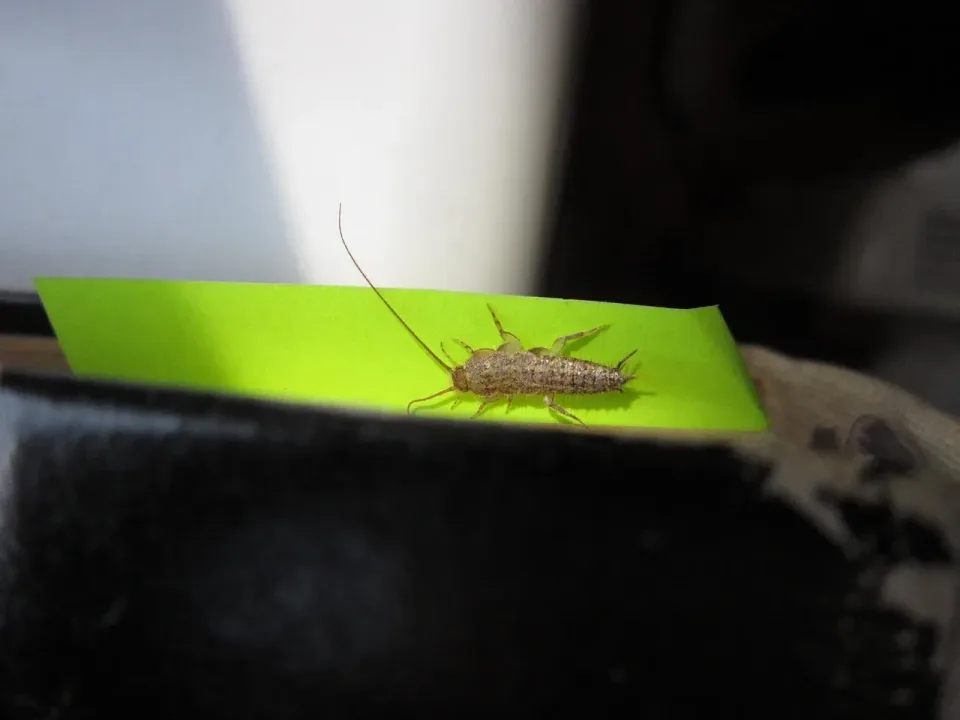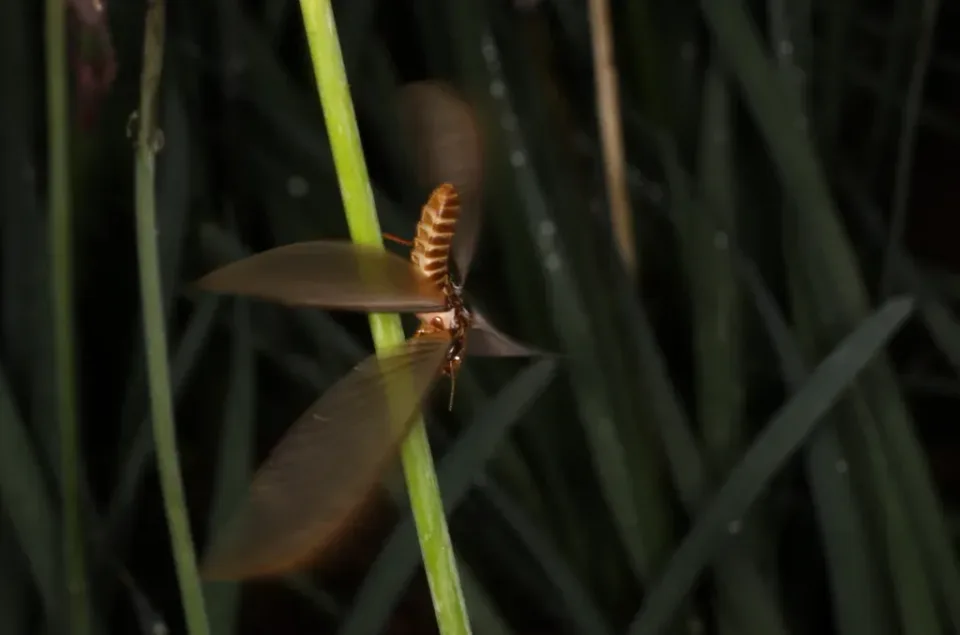
What Should You Check After Finding Termite Wings?
Discarded wings indoors can signal that termite swarmers have entered or emerged nearby, but wings alone do not confirm active structural damage. Save a few and check nearby windows, doors, and wood for additional clues. In New Mexico’s high-desert conditions, indoor pest activity can become more noticeable during hot, dry weather.
We have heard calls from people saying they are “getting ate up”; that kind of frustration deserves careful pest identification rather than a guess. A University of New Mexico-area home may have different construction and access points from another property, so note exactly where the wings appeared. Take these next steps:
-
Keep a sample: Place a few wings in a small container so an inspector can examine them.
-
Check the nearby floor: Look for more wings or small piles near windows and doors.
-
Photograph the area: Include the wings and the surface where you found them.
-
Avoid disturbing suspected wood: Do not pry open trim before the source is assessed.
If you own a rental and are worried about a tenant’s pest report, arrange an inspection that identifies the insect and documents the findings.
What do wings near Albuquerque Old Town mean?
A small pile of matching wings on a sill or floor is a clue, not a diagnosis. Termite swarmers shed their wings after a flight; other insects can also leave wings behind, so shape and location matter.
Photograph the find beside a coin or ruler, then keep a few specimens. Do not spray the area first. A product applied before identification can obscure useful evidence and may not address the source.
Our crew looks beyond the pile: nearby wood, floor edges, window frames, and places where wood meets soil or masonry. Around older buildings near Albuquerque Old Town, construction details may differ from those of newer homes, so the inspection needs to follow the actual structure rather than rely on a standard assumption. Hot, dry summers can also prompt pests to seek indoor conditions, making careful identification especially useful when several insects are active.
Could the weather explain a sudden indoor find?
Weather can affect pest movement, but it cannot identify the insect by itself. New Mexico’s annual precipitation varies by elevation and region; that means a seasonal pattern observed at one property may not fit another area.
After a change in conditions, check the same windows and doors again and note whether new wings appear. A repeat find in one spot is more useful to an inspector than a vague report that wings appeared “somewhere in the house.”
Their presence is a separate issue from termite wings, and the signs should not be mixed together. Clear stored material away from suspected evidence, but leave any questionable wood undisturbed until it is examined. Near Chaco Culture National Historical Park, for example, do not assume a regional pest pattern tells you what is inside a particular home; identification must be based on what is actually found there.
When should you call instead of handling it yourself?
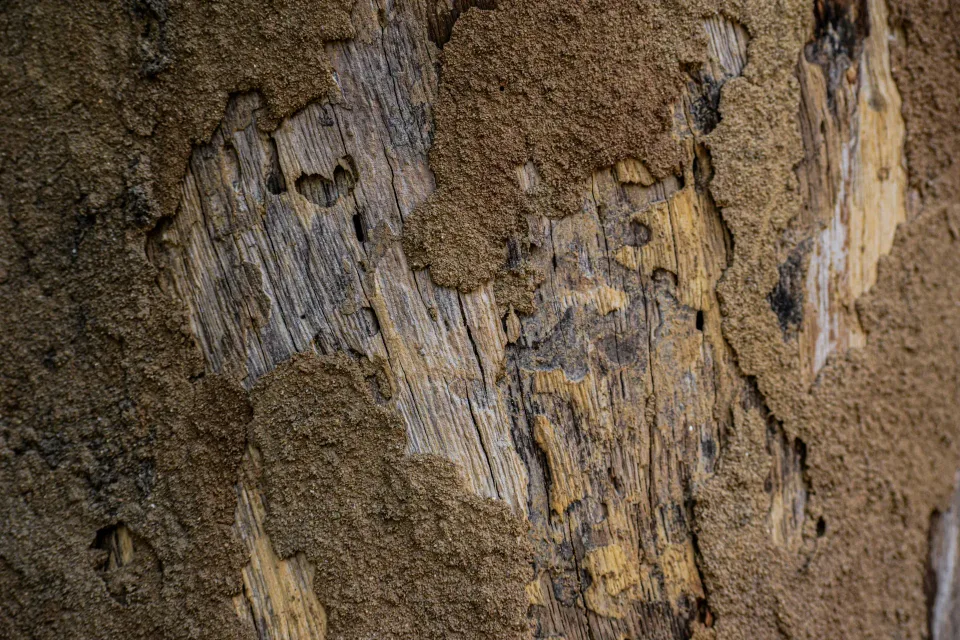
If there are only a few wings and no other sign, collecting a sample and watching the location is a sensible first step. Call for professional inspection if wings recur, appear in several rooms, or are accompanied by visible damage or suspected mud-like shelter tubes.
Do not pull trim apart or apply a general-purpose product to a suspected colony. That can damage finishes, spread debris, and still leave the source unknown. A practical threshold is repeat evidence or a sign you cannot confidently identify.
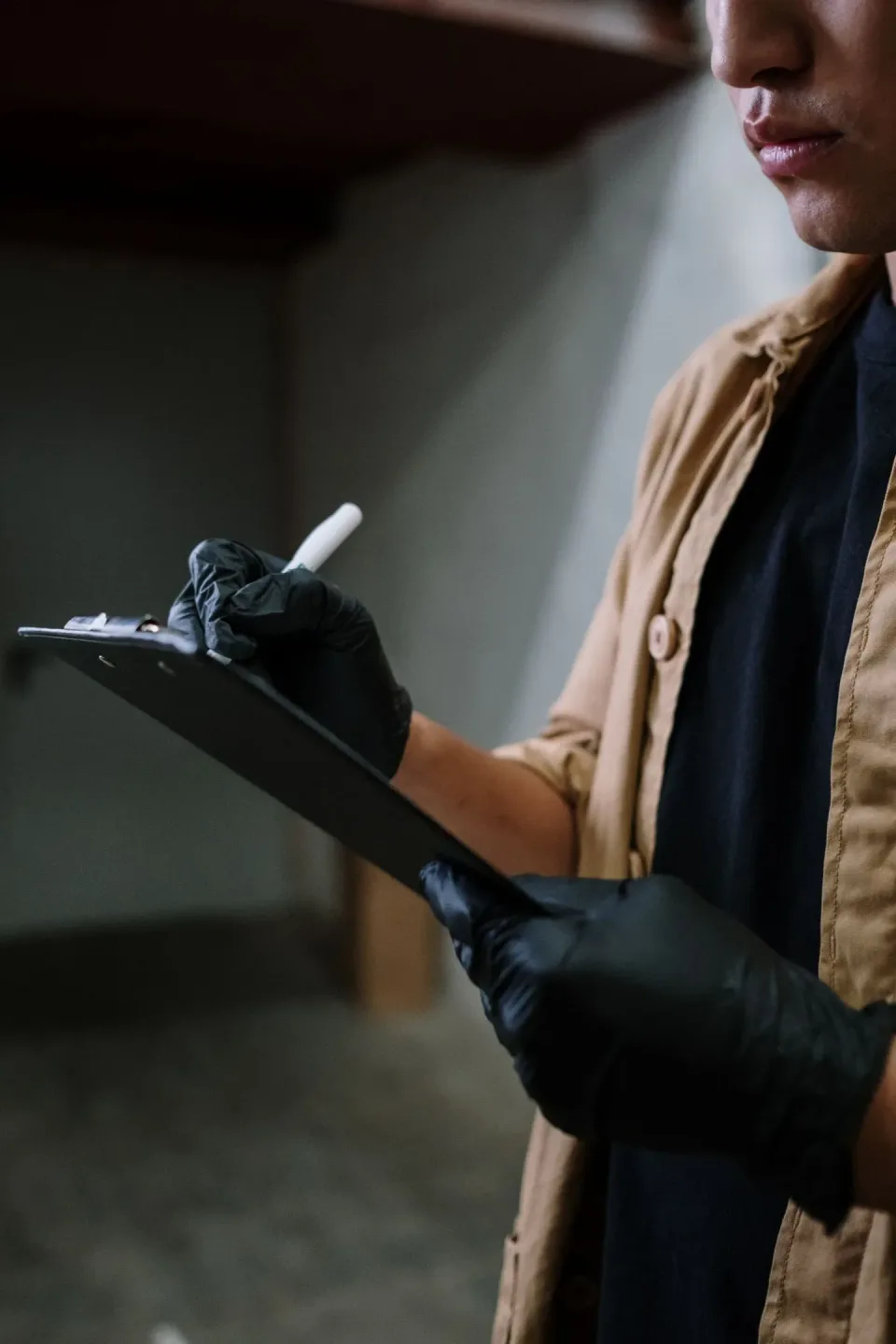
We inspect for visible evidence and conditions that may support termite activity, then explain what we found before recommending treatment. For a closer look at our process, see Termite Treatment or review our about page. If you need to compare symptoms first, our New Mexico pest articles offer more identification guidance.
Why do pack rat clues need separate attention?
That can create a separate access and sanitation concern, but it does not establish that termite wings came from a nest or that termites are present. Keep the evidence in separate notes: record where wings were found, and separately photograph any gathered nesting material or other suspected activity. This avoids sending a technician toward the wrong source.
At homes near Gila Cliff Dwellings National Monument, as elsewhere in the state, local conditions and structure details still need to be checked at the property. Cold snaps can send rodents seeking indoor shelter; that may explain some winter animal activity, but it is not an explanation for discarded termite wings. Identify each sign on its own merits.
Choose an Inspection Path Before Treating
Choose the next step based on what you found, not on a product label that promises a quick fix. A written treatment plan should explain the target and the proposed work.
Near the Aztec Ruins National Monument, as in other parts of New Mexico, heavy downpours can drive ants and roaches indoors; that weather context is not proof that wings are termites. Drought can also shift wildlife and pest activity, so an insect’s identity still needs confirmation.
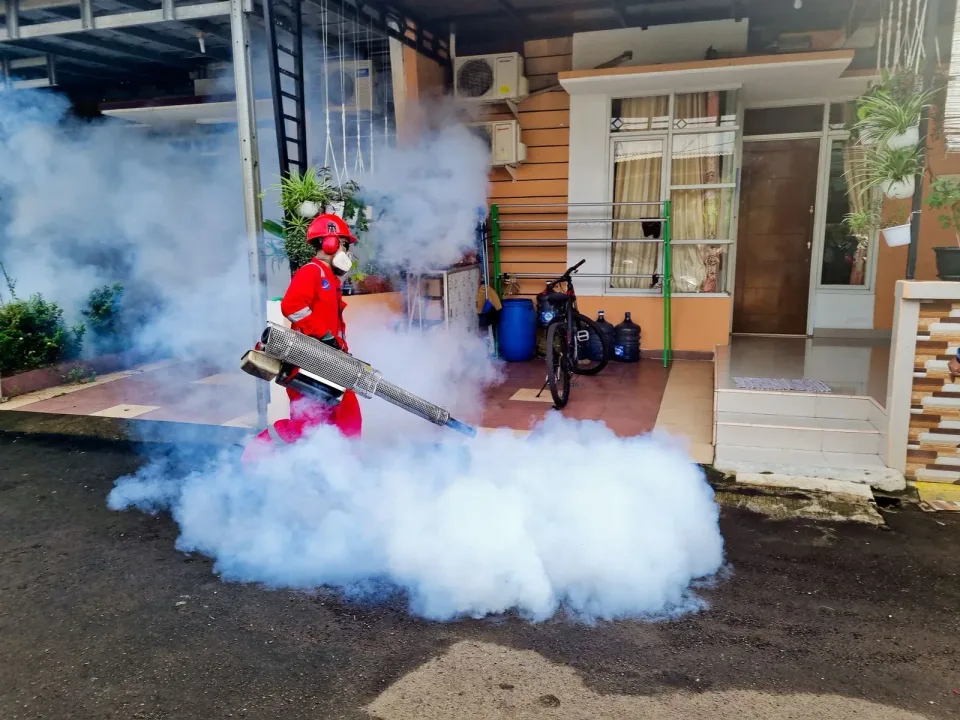
Targeted crack-and-crevice applications may suit a confirmed, localized target, but they are not a substitute for diagnosing the source.
| Option | Best for | Key detail |
|---|---|---|
| Inspection and identification | Uncertain wings or repeated finds | Confirms what the evidence supports |
| One-time treatment | A defined, diagnosed problem | Immediate response; scope follows inspection |
| Recurring perimeter service | Ongoing general pest monitoring | Continued monitoring between visits |
| Interior spot treatment | A localized, confirmed target | Focuses on specific rooms or cracks |
Document Wings Before the Inspection
Start by preserving the evidence and noting where it appeared; do not clean, spray, or pry at suspected wood before taking a clear photo. If scheduling an inspection while traveling near Las Cruces Plaza or Raton Pass, arrange access with whoever can meet the technician and share the location details in advance. Keep it simple.
-
Confirm the target: Photograph the wings and record the room, window, and date.
-
Keep a sample: Put several wings in a sealed container for identification.
-
Arrange access: Provide gate or lockbox instructions and identify rooms to inspect.
-
Show the technician: Point out the exact find and any repeated evidence.
-
Request documentation: Ask for a treatment report describing findings, treated areas, and products used, if treatment is recommended.
-
Follow the report: Use its instructions for any next steps and access needs.
Get a Clear Answer About Indoor Wings
Finding wings does not prove a termite colony is damaging your home, but repeated evidence or visible wood changes deserves a closer look. Termite inspections assess visible evidence and conducive conditions, so an inspection can help distinguish a confirmed concern from a misleading clue.
New Mexico’s wide day-to-night temperature swings affect pest movement; note when and where the wings appear rather than relying on timing alone. Flash flooding can affect access to low-lying properties, so mention any access issue when arranging a visit.
If you are near Isotopes Park, or elsewhere in New Mexico, contact NewMexico Pest Solutions to discuss an inspection and the next practical step.